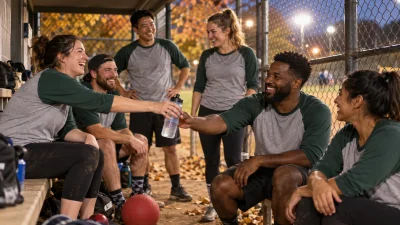
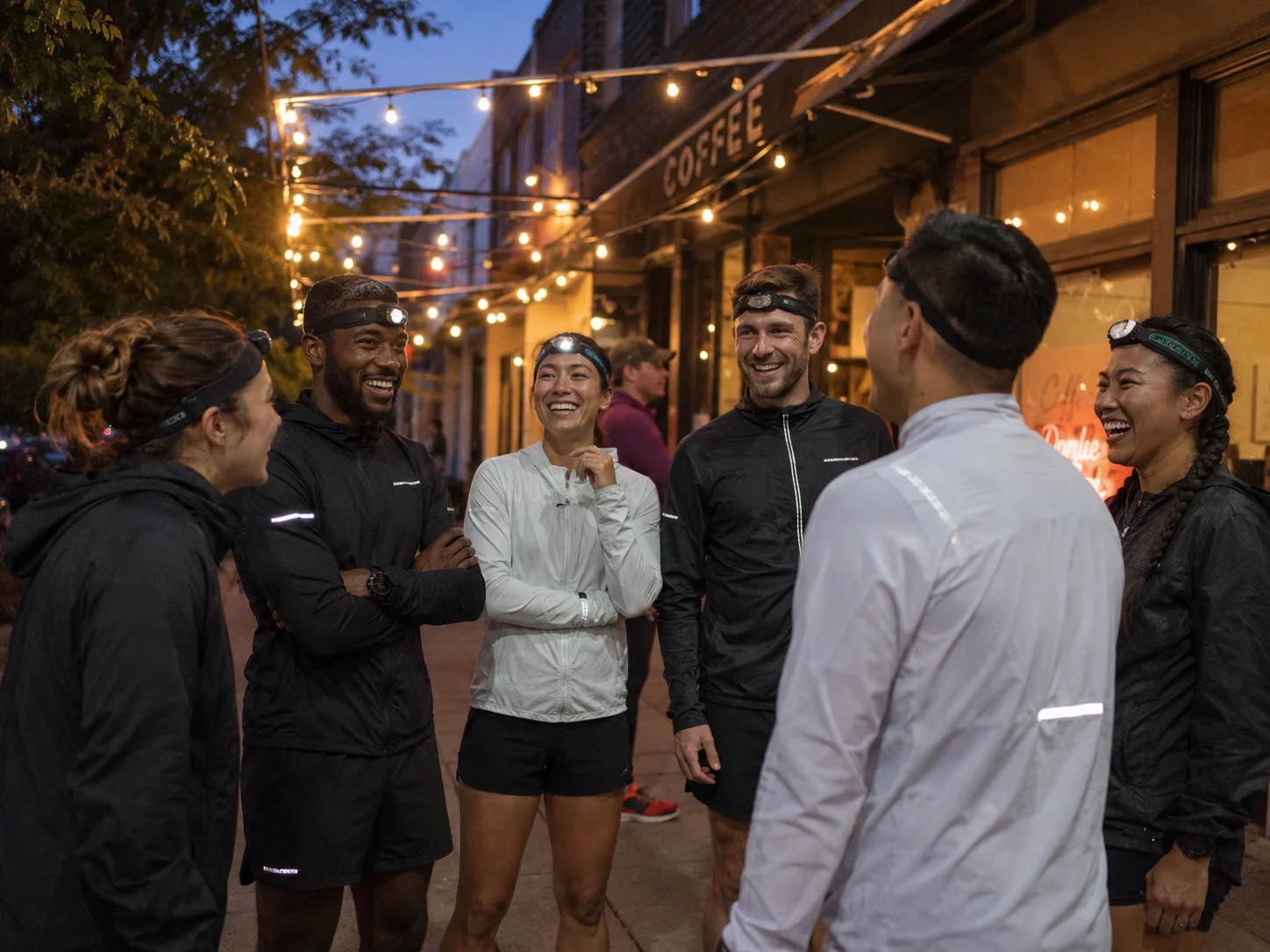
On a Tuesday evening in July, roughly a thousand strangers lace up their sneakers, cluster in a parking lot outside a coffee shop, and run three miles together before anyone thinks to exchange a phone number. A few blocks over, a pickleball court stays booked solid until ten at night, mostly with people who signed up alone. Neither group is training for a race. They are, whether they say so out loud or not, dating.
For the better part of a decade, the story of modern romance was a story about screens: swipe, message, stall, ghost, repeat. That story is losing its grip. New data out of the dating industry suggests sport is the new social currency for people trying to meet someone, and the shift is large enough that the apps themselves are now scrambling to build around it instead of competing against it.
The Numbers Behind the Shift
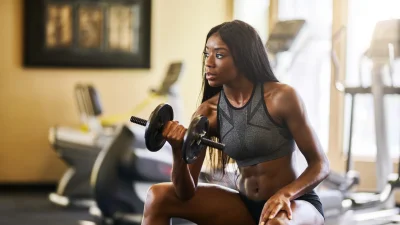
Feeld, the dating app best known for tracking desire and identity trends rather than swipe counts, published research showing that sports claimed eight of the ten fastest growing interest categories among younger daters over the past year. Tennis and soccer led the pack, both posting interest spikes approaching 600 percent. Basketball, football, running, swimming, and general gym attendance were not far behind, each climbing somewhere in the 300 to 350 percent range as part of a broader fitness dating trend. That is not a niche uptick. That is an entire generation rewriting what counts as a plausible place to meet a partner.
Dr. Luke Brunning, a lecturer in applied ethics and co-director of the Centre for Love, Sex and Relationships at the University of Leeds, offered a tidy explanation for why. An emphasis on shared experience, sociability, and intimacy built through clubs and routines, he said, is exactly what makes people so vocal about sport as a path to connection. In plain terms: nobody has ever fallen in love over a well worded bio. People fall for each other over three miles of conversation, a tiebreaker, or a shared collapse on the sideline.
Marquee Events Turned Matchmakers
The trend was not confined to weekly meetups. This year's U.S. Open Fan Week produced a matchmaking series pairing eight couples with a shared background in tennis, and the Ryder Cup drew a noticeably higher share of single women choosing to attend in person rather than spend the weekend swiping. Both events point to the same behavior: singles are treating tickets and memberships as a more reliable filter than an app's algorithm.
The clearest test case arrived with a World Cup dating surge nobody quite planned for. Across the tournament's eleven American host cities, plain old dating app fatigue gave way almost overnight to a very different kind of activity spike. Industry data tracking the tournament shows mentions of soccer, FIFA, and the World Cup rising 97 percent year over year on dating profiles nationwide, with New York City alone seeing an 88 percent jump in users listing soccer as an interest. Tinder logged a 47 percent increase in activity among international users across the sixteen North American host cities, alongside roughly 15 percent more total users and 25 percent more swiping during the tournament's early weeks. Feeld, meanwhile, reported a rise in meaningful matches formed specifically on game days in cities like Miami and Kansas City. A June survey found that nearly 39 percent of World Cup visitors, more than half of them men, said meeting local people was part of the plan all along.
Why Structure Beats the Feed
None of this is really about the sport itself. It is about what organized structured activities do that a feed cannot. A run club, a pickup soccer game, or a pickleball round robin comes with a built in reason to show up again next week, which solves dating's oldest logistical problem: the excuse to see someone twice. It also compresses the getting to know you phase into something closer to an hour of live footage than a highlight reel. You cannot filter your effort the way you filter a photo. Whoever shows up gasping for air at mile two, laughing at their own bad serve, or quietly coaching a stranger through their first pickup game is showing you something a profile picture never could.
Readers of this site already know the specific version of this story: our reporting on run clubs found much the same pattern, down to the messy parts nobody puts in the recruitment flyer. Run clubs and their pickleball, cycling, and pickup league cousins are not a wholesome loophole around dating's usual complications. They come with their own gossip, their own repeat exes circling the same parking lot, and their own version of ghosting, just with better cardio attached.
The Catch Nobody Puts in the Caption
There is a real risk buried inside a trend this convenient. Athletic singles can start optimizing for the appearance of shared interest rather than the reality of it, showing up to a run club or a pickleball dating night because it is currently the fastest way to meet someone, not because they actually want to be there. A tennis court full of people who all learned to love tennis eight months ago, specifically to meet people, is not obviously healthier than a bar full of people who all learned to fake a personality for the same reason. Shared physical effort reveals character quickly, but it does not manufacture actual compatibility out of nothing. It only works if the sport was the point to begin with, and the person is a welcome bonus.
That distinction matters more than the trend piece version of this story usually allows. It is the difference between meeting someone because you both showed up for the run, and meeting someone despite the fact that you are only there for the running.
It also explains why some of the loudest online skeptics of this trend are the people who joined for the wrong reason and burned out fast. A person who resents every mile they run will not suddenly enjoy the person running next to them. But someone who was already going to be at that gym, that court, or that field regardless of who else showed up has a real advantage: they get to meet people from a position of genuine interest rather than performance, which tends to read, correctly, as confidence.
What This Means for the Rest of 2026
The practical upshot is straightforward. If dating apps have started to feel like a part time job with no benefits, the data says you are not imagining the exhaustion, and you are also not without options. Marquee sporting events, recurring leagues, and even casual pickup games are now legitimate places to meet someone, backed by numbers large enough that the apps themselves are chasing the trend rather than setting it. For a fuller map of exactly where to start looking, we have already mapped out the best venues for it, from cycling clubs to recovery lounges.
None of this requires overhauling a personality or picking up a sport purely for strategic reasons. It requires showing up to the thing you already like doing, often enough that familiar faces start to matter, and letting the data do what it is clearly already doing across eleven World Cup host cities, a Ryder Cup gallery, and a few thousand Tuesday night run clubs: quietly replacing the app with the activity.
The sport will not do the work of building a relationship for you. It will, at best, get you into a room, or a court, or a finish line chute, with someone worth talking to. What you do after you catch your breath is still entirely up to you.